

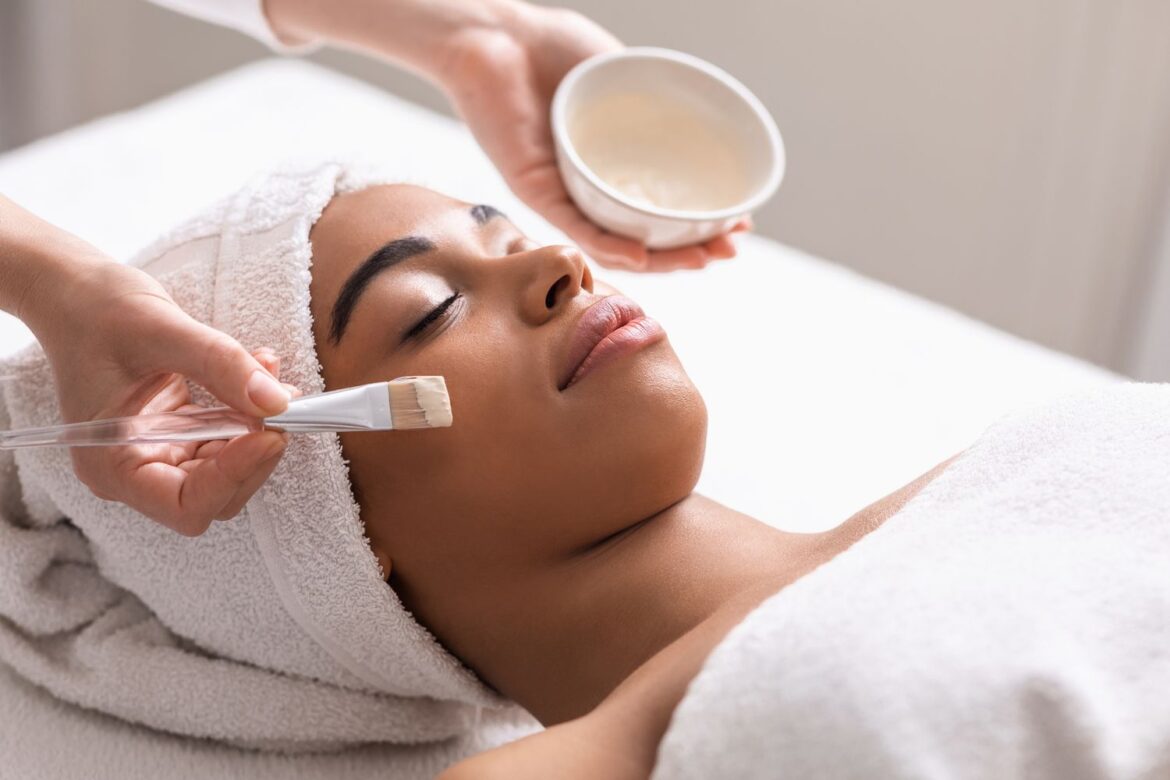
Beauty peels have become widely used for improving skin texture, clarity, and overall appearance. Many individuals consider this treatment when dealing with dullness, uneven tone, congestion, or early signs of ageing. Despite their popularity, misunderstandings about how peels work often lead to unrealistic expectations or improper preparation. Understanding the purpose, process, and suitability of biological peels helps individuals approach treatment safely and achieve more consistent results.
A beauty peel works by accelerating the skin’s natural renewal process. The outermost layer of skin continuously sheds and regenerates, but this cycle slows with age, sun exposure, and environmental stress. When dead skin cells accumulate, the surface may appear rough or tired, and pores can become blocked more easily. Biological peel use carefully selected active ingredients to encourage controlled exfoliation, allowing newer skin cells to emerge more evenly. This process supports smoother texture and improved brightness without aggressive removal of deeper skin layers.
One important consideration before treatment is skin condition rather than skin type alone. Sensitive, acne-prone, or pigmented skin may respond differently to exfoliation. A professional assessment ensures that the strength and formulation of biological peels match individual needs. Treatments that are too strong can cause irritation or inflammation, while treatments that are too mild may produce minimal improvement. Proper evaluation allows gradual progress that protects skin health while delivering visible results.
Preparation plays a significant role in treatment success. Skin should be in a stable condition before undergoing a peel. Active irritation, recent sunburn, or compromised skin barriers increase the risk of unwanted reactions. Many practitioners recommend simplifying skin care routines before treatment by reducing strong active ingredients such as retinoids or exfoliating acids. This allows the skin to respond more predictably during the procedure. Hydration and sun protection also support better recovery by strengthening the skin’s natural defence mechanisms.
Expectations about downtime should remain realistic. Not all peels produce visible peeling, and visible flaking does not necessarily indicate effectiveness. Biological peels often work gradually, improving skin quality through repeated treatments rather than dramatic single-session results. Mild redness or dryness may occur temporarily, but most individuals can return to normal activities quickly. Understanding this gradual approach prevents disappointment and encourages long-term treatment planning rather than short-term correction.
Post-treatment care is equally important. Newly exfoliated skin becomes more sensitive to environmental exposure, particularly sunlight. Consistent use of sunscreen helps prevent pigmentation changes and protects the newly revealed skin surface. Gentle moisturising supports barrier repair and reduces discomfort during the recovery phase. Ignoring aftercare instructions can reduce treatment benefits and increase the likelihood of irritation.
Another factor to consider is how beauty peels fit within a broader skin care strategy. Biological peels are rarely intended as standalone solutions. They often complement other treatments or medical-grade skin care products by improving product absorption and enhancing overall skin responsiveness. When integrated into a structured plan, peels can maintain skin clarity and prevent buildup that leads to congestion or uneven tone.
Safety depends largely on professional supervision. While at-home exfoliating products exist, professional treatments differ in formulation strength and application technique. Practitioners adjust exposure time, concentration, and frequency according to skin response. This level of control reduces risk and allows treatment to evolve alongside changing skin conditions. Individuals considering biological peels benefit from viewing the process as ongoing skin maintenance rather than a one-time correction.
Psychological benefits often accompany physical improvement. Clearer and smoother skin can influence confidence, particularly for individuals who have struggled with persistent texture or dullness. Because results develop progressively, improvements tend to appear natural rather than abrupt, supporting a balanced and refreshed appearance.
Beauty peels remain effective because they work with the skin’s natural renewal cycle rather than forcing rapid change. Biological peels offer a controlled method of encouraging regeneration while maintaining skin integrity. When approached with proper preparation, realistic expectations, and professional guidance, they provide a reliable option for individuals seeking gradual and sustainable improvement in skin appearance.