
Over 54% of skincare consumers now actively check ingredient labels before buying. Yet most still feel confused about what actually works.
Natural or clinical — the debate is loud, the marketing is louder, and the real answers sit somewhere most brands do not want to point you toward.
The Great Skincare Debate
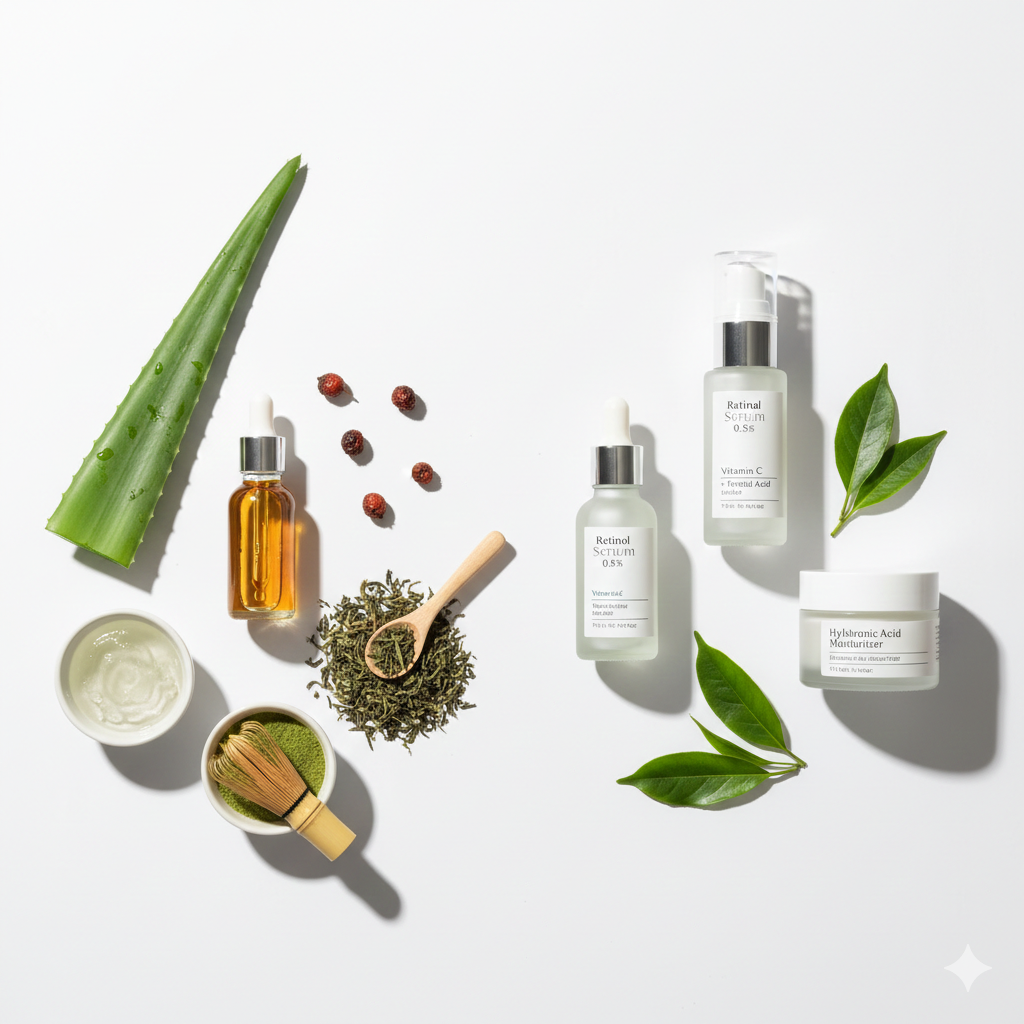
Walk into any pharmacy or beauty store and you will find two worlds side by side. One shelf is full of botanical extracts, cold-pressed oils, and plant-based promises. The other is packed with retinols, acids, peptides, and clinical-grade actives.
Both claim results. Both have loyal followers. But here’s what most people miss — the real question is not which one is better. It is which one is right for your skin, your concerns, and your lifestyle.
What Natural Skincare Actually Means
Natural skincare uses plant-derived, mineral, or naturally sourced ingredients with minimal synthetic processing. Think aloe vera, rosehip oil, jojoba, green tea extract, and shea butter.
The truth is — the word “natural” has no regulated definition in the beauty industry globally. A product can call itself natural while still containing preservatives, synthetic fragrances, and stabilisers. Always read past the label.
The Appeal of Going Natural

Many people turn to natural skincare after experiencing irritation or sensitivity from synthetic formulas. For those with reactive or sensitive skin, gentler plant-based formulations can genuinely reduce inflammation and support the skin barrier over time.
Ancient Ayurvedic texts like the Charaka Samhita (Ch. 1, Verse 4) documented plant-based skin remedies thousands of years ago — recognising that neem, turmeric, and sandalwood had real therapeutic properties long before modern dermatology validated them.
What Clinical Skincare Brings to the Table
Clinical skincare uses scientifically developed, lab-tested ingredients at concentrations proven to produce measurable skin changes. Retinoids, niacinamide, hyaluronic acid, AHAs, BHAs, and peptides fall into this category.
These are not trends. They are backed by decades of peer-reviewed dermatological research and clinical trials. Dr. Albert Kligman, the dermatologist who developed tretinoin (a retinoid), fundamentally changed how science understood skin ageing — and his work still underpins most clinical anti-ageing formulas used today. Read more about Dr. Kligman’s contributions here.
Why Concentration and Stability Matter
Here’s the kicker — even if a natural ingredient works, it needs to be stable, bioavailable, and present at an effective concentration to actually do something on your skin.
Vitamin C from a lemon sounds great. But topical vitamin C needs to be formulated at a specific pH, in a stable derivative like ascorbic acid or ascorbyl glucoside, and at a concentration of at least 10–20% to penetrate the skin and produce results. A face mist with “lemon extract” at 0.1% does essentially nothing measurable.
Where Natural Skincare Wins
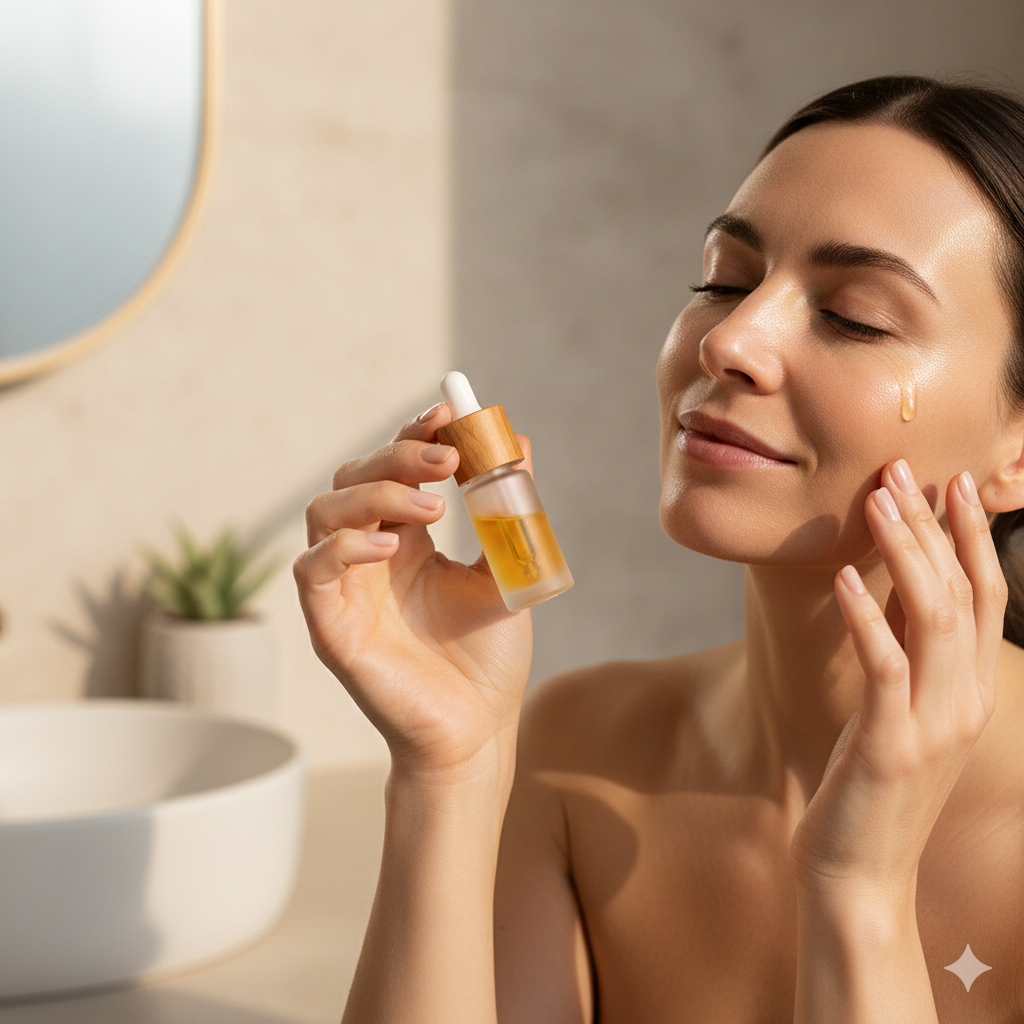
Natural skincare genuinely excels in specific areas. These are not marketing claims — the research supports them.
- Skin barrier support — Ingredients like ceramide-rich rosehip oil, shea butter, and oat extract strengthen and repair the lipid barrier without disrupting its natural pH
- Sensitivity and reactivity — Fewer synthetic preservatives and fragrances mean lower irritation risk for sensitive or compromised skin
- Daily hydration and maintenance — For skin that is generally healthy, gentle botanical formulations maintain balance without over-stripping or over-stimulating
- Long-term tolerance — Many natural formulations are well-tolerated over years without sensitisation buildup
For everyday skincare tips and #skin care routines for sensitive skin#, starting with gentler natural formulations makes genuine clinical sense.
Where Clinical Skincare Has the Edge
For specific, measurable skin concerns — clinical skincare wins. Full stop.
Research reveals that no natural ingredient currently matches the proven efficacy of retinoids for cell turnover and collagen stimulation. No botanical extract outperforms a well-formulated AHA for chemical exfoliation and pigmentation correction. No plant oil matches the skin-plumping depth of a properly formulated hyaluronic acid serum.
- Anti-ageing — Retinoids remain the gold standard. A landmark study published in the Archives of Dermatology (1995) confirmed significant collagen production increase with consistent retinol use
- Hyperpigmentation — Tranexamic acid, niacinamide, and kojic acid outperform most natural brightening agents on clinical measurements
- Acne treatment — Salicylic acid (BHA) and benzoyl peroxide have decades of clinical evidence behind them
- Texture and resurfacing — AHAs like glycolic and lactic acid produce statistically significant improvements in skin texture that natural exfoliants cannot replicate
The Ingredients Worth Knowing About
Want to know the best part? Some of the most effective skincare ingredients sit right at the intersection of natural and clinical.
- Niacinamide (Vitamin B3) — Naturally derived but clinically concentrated. Reduces pores, controls sebum, brightens skin, and strengthens the barrier all at once
- Bakuchiol — A plant-derived retinol alternative from the babchi plant. A 2019 study in the British Journal of Dermatology found it comparable to retinol for fine line reduction with significantly less irritation
- Hyaluronic acid — Originally synthesised clinically, now also available in fermented natural forms. Holds up to 1,000 times its weight in water within the skin
- Centella Asiatica (Cica) — A traditional medicinal herb with clinically validated wound healing and barrier-repair properties
These ingredients prove the natural vs clinical divide is increasingly artificial. The smartest formulations borrow from both worlds.
Can You Use Both Together?
Absolutely — and most dermatologists now actively recommend a layered approach. Think of it this way: use clinical actives to treat specific concerns, and natural formulations to support, soothe, and maintain.
A simple layered example that works:
- Morning — Gentle natural cleanser → niacinamide serum (clinical) → botanical moisturiser → SPF
- Evening — Oil cleanser (natural) → retinol (clinical) → ceramide-rich barrier cream (natural-clinical hybrid)
The key is not choosing sides. It is understanding what each ingredient does and building a routine around your actual skin needs — not the marketing on the packaging.
For readers exploring #beauty and skincare tips# that go beyond the basics, combining evidence-backed actives with gentler supporting ingredients is where the real results live.
Building a Routine That Actually Works
Now here is where it gets practical. Forget the 12-step routines. Forget the viral TikTok stacks. Most skin concerns respond best to simple, consistent routines with a small number of well-chosen ingredients.
Start with three non-negotiables — a gentle cleanser, a targeted active for your primary concern, and a moisturiser with SPF in the morning. Everything else is optional and additive.
Introduce one new ingredient at a time — never more than one active per week. This way you know exactly what is working and what is not. Patch test every new product on your inner arm for 24 hours before applying it to your face.
And remember — no skincare routine works overnight. Clinical studies measure results at 8–12 weeks minimum. Give your skin the time it actually needs before making a judgement.
FAQs
Q: Is natural skincare safer than clinical skincare? Not automatically. Natural ingredients can also cause allergic reactions and irritation. Safety depends on the specific ingredient, concentration, and your individual skin type — not the label.
Q: Can I use retinol and natural oils together? Yes. In fact, applying a face oil after retinol can significantly reduce the dryness and peeling associated with retinoid use — without reducing its efficacy.
Q: What is the most effective anti-ageing skincare ingredient? Retinoids remain the most clinically validated anti-ageing ingredient available without a prescription. Consistent use over 12 weeks shows measurable improvement in fine lines, texture, and collagen density.
Q: Is clinical skincare suitable for sensitive skin? Some clinical actives can be too harsh for sensitive skin at full concentration. Start with lower percentages and buffer with a moisturiser. Bakuchiol is an excellent clinical-natural alternative for sensitive skin types.
Q: How do I know which skincare approach is right for me? Start with your primary skin concern. If it is sensitivity or barrier repair — lean natural. If it is ageing, pigmentation, or acne — lean clinical. For general maintenance — a hybrid approach works best for most people.
Not part of the content it is an author bio
Author Bio 3 — skin-toto.com
Dr. Priya Nair is a skincare consultant and beauty wellness writer with seven years of experience across clinical and natural skincare. A longtime practitioner of yin yoga and mindful living, she believes real skin health starts from within — not just what you apply topically. She contributes to Skin Toto to help readers build routines that actually work.