

China is one of the largest producers of sanitary ware in the world, supplying a wide range of bathroom products to international markets. From residential homes to commercial buildings and hospitality projects, sanitary ware products such as wash basins, bathtubs, toilets, and countertops are essential components of modern bathrooms. One of the key reasons for the global success of Chinese sanitary ware manufacturers is their ability to work with a variety of high-quality materials that combine durability, functionality, and aesthetic appeal.
The sanitary ware industry in China continues to evolve as manufacturers adopt new materials and technologies to meet the demands of modern construction and interior design. Buyers searching for reliable suppliers often explore trusted resources such as Sanitary Ware Manufacturers in China to learn about leading companies and the types of materials they commonly use in their production processes. Understanding these materials helps buyers choose products that offer both long-term performance and attractive design.
Ceramic
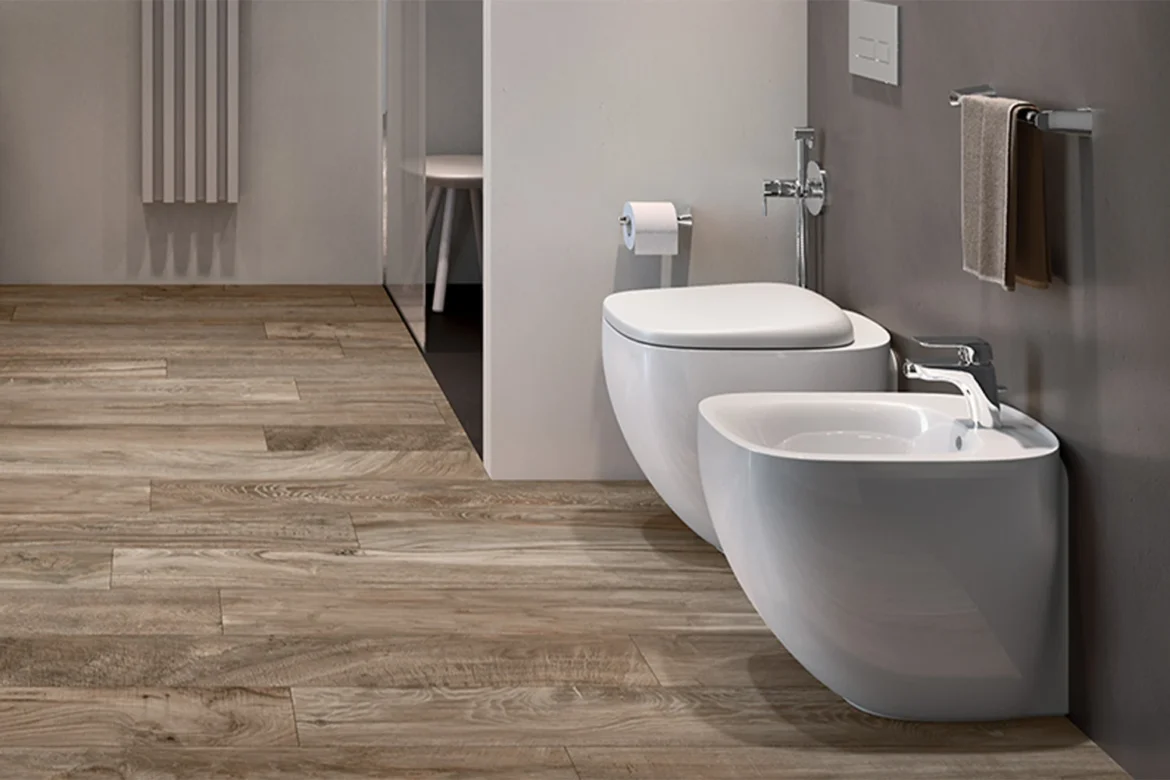
Ceramic is one of the most widely used materials in the sanitary ware industry. For decades, it has been the standard material for products such as toilets, wash basins, and bidets. Chinese manufacturers produce a large portion of the world’s ceramic sanitary ware due to the availability of raw materials and well-developed ceramic production technology.
Ceramic sanitary ware is made by shaping clay-based materials and firing them at high temperatures in specialized kilns. This process creates a hard, durable surface that is resistant to water, stains, and scratches. The glazed finish applied to ceramic products provides a smooth and hygienic surface that is easy to clean.
Another advantage of ceramic is its long lifespan. High-quality ceramic sanitary ware can maintain its appearance and functionality for many years, making it a preferred choice for residential and commercial bathrooms.
Solid Surface Materials
Solid surface materials have become increasingly popular among sanitary ware manufacturers in China, especially for modern bathroom designs. These materials are typically composed of natural minerals combined with acrylic or polyester resins, creating a durable and versatile product.
Solid surface materials are commonly used for bathtubs, countertops, sinks, and integrated vanity units. One of their main advantages is their seamless appearance. Because the material can be molded into various shapes, it allows manufacturers to create smooth and continuous surfaces without visible joints.
Another important benefit is repairability. Minor scratches or stains on solid surface products can often be removed through simple polishing, allowing the product to maintain its appearance over time.
Acrylic
Acrylic is another widely used material in sanitary ware manufacturing. It is especially common in the production of bathtubs, shower trays, and spa tubs. Acrylic sheets are heated and molded into different shapes, then reinforced with fiberglass to improve strength and durability.
One of the main advantages of acrylic sanitary ware is its lightweight nature. Compared to materials such as cast iron or stone, acrylic products are easier to transport and install. This makes them particularly popular for residential construction projects and renovation work.
Acrylic surfaces also provide a glossy and smooth finish that enhances the overall appearance of bathroom fixtures. Additionally, acrylic retains heat well, making it a comfortable option for bathtubs.
Stainless Steel
Although not as common as ceramic or acrylic in residential bathrooms, stainless steel is often used in commercial and industrial sanitary ware applications. Chinese manufacturers produce stainless steel sinks, wash basins, and accessories for use in restaurants, hospitals, and public facilities.
Stainless steel is known for its strength, corrosion resistance, and hygienic properties. It can withstand heavy usage and is highly resistant to rust and staining. These characteristics make it suitable for environments where cleanliness and durability are essential.
Another advantage of stainless steel is its modern and professional appearance. Many contemporary commercial spaces prefer stainless steel fixtures because they offer both practicality and a sleek design.
Quartz and Stone Composites
Quartz and stone composite materials are becoming more popular in premium sanitary ware products. These materials are made by combining crushed natural stone with resin binders to create a strong and durable surface.
Quartz composite sinks and countertops are highly resistant to scratches, stains, and impact damage. They also offer a luxurious appearance with natural stone textures and colors. Chinese manufacturers often use advanced molding technology to create a wide range of shapes and finishes using these materials.
Because of their durability and visual appeal, quartz and stone composite products are commonly used in high-end residential and hotel bathroom projects.
Glass
Glass is sometimes used in sanitary ware design to create stylish and modern bathroom fixtures. Tempered glass is commonly used for vessel sinks, shower panels, and decorative countertops.
Tempered glass is significantly stronger than regular glass and is designed to resist breakage. Even if it breaks, it shatters into small pieces rather than sharp shards, improving safety.
Glass sanitary ware products are often chosen for their aesthetic value. Transparent or colored glass basins can add a distinctive visual element to modern bathroom interiors.
Conclusion
Sanitary ware manufacturers in China use a wide range of materials to produce bathroom fixtures that meet different functional and aesthetic requirements. Ceramic remains the most traditional and widely used material due to its durability and affordability, while solid surface materials and acrylic provide greater design flexibility for modern bathrooms.
Other materials such as stainless steel, quartz composites, and tempered glass offer specialized benefits for commercial spaces and high-end projects. By understanding the materials commonly used in sanitary ware manufacturing, buyers can make informed decisions when selecting products that meet their specific needs in terms of durability, design, and performance.