
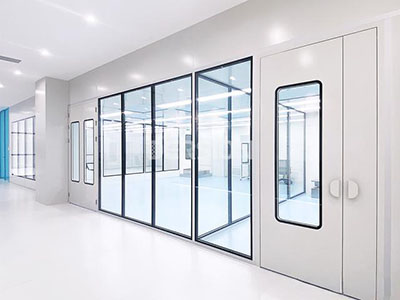
ISO 8 cleanrooms are controlled environments that maintain moderate levels of airborne particles and contamination. They are widely used in industries such as pharmaceuticals, medical devices, electronics, food processing, and cosmetics. While these cleanrooms are less stringent than ISO 5 or ISO 6 facilities, proper design is essential to ensure compliance with ISO 14644 standards, product quality, and operational efficiency. However, cleanroom construction and operation can be expensive, making cost-effective design strategies a priority for many organizations.
Implementing an ISO 8 Cleanroom efficiently requires a careful balance between regulatory compliance, functionality, and cost management. Cost-effective strategies focus on optimizing the layout, selecting appropriate materials, and designing efficient HVAC systems while minimizing unnecessary expenditures. By incorporating smart planning and proven design principles, organizations can reduce upfront construction costs and long-term operational expenses without compromising cleanroom performance.
Optimizing Cleanroom Layout
One of the most impactful strategies for cost-effective ISO 8 cleanroom design is optimizing the layout. A well-planned layout reduces the amount of cleanroom space required, minimizes the number of critical zones, and improves workflow efficiency. Grouping high-activity or high-risk areas near entry points or gowning areas reduces the need for complex airlocks or multiple HVAC zones.
Designing with modularity in mind allows flexibility for future expansion or reconfiguration without major reconstruction. Modular cleanrooms can also be prefabricated offsite, reducing construction time and labor costs while maintaining quality standards. Optimizing workflow and personnel movement prevents unnecessary contamination risks and minimizes the frequency of cleaning and maintenance, further lowering operating expenses.
Cost-Efficient Material Selection
Material selection is a key factor in controlling both construction and maintenance costs for ISO 8 cleanrooms. Surfaces must be smooth, non-porous, and compatible with cleaning agents, but there are cost-effective options that meet these requirements. For example, powder-coated aluminum panels, epoxy-coated walls, and seamless vinyl flooring provide durability, ease of cleaning, and compliance with particle control standards at a lower cost than high-end stainless steel or specialized composites.
Furniture, shelving, and workstations should be constructed from non-shedding materials that balance performance and affordability. Using standardized sizes and prefabricated components can reduce customization costs and simplify installation. Investing in durable materials upfront reduces the need for frequent replacement and long-term maintenance expenses.
Efficient HVAC System Design
HVAC systems are among the most significant operational costs in cleanroom facilities. Designing an efficient HVAC system for an ISO 8 cleanroom can substantially reduce energy consumption and operating expenses. Optimizing air change rates to match ISO 8 requirements, typically 20 to 40 air changes per hour, prevents over-ventilation while maintaining adequate particle control.
Incorporating energy-efficient fans, motors, and variable air volume (VAV) systems allows airflow to adjust according to occupancy or operational needs. Proper placement of supply and return vents ensures uniform airflow and minimizes dead zones, reducing the likelihood of contamination and the need for corrective maintenance. Regular maintenance and monitoring of the HVAC system are also cost-effective measures to extend equipment life and prevent costly failures.
Modular and Prefabricated Components
Using modular and prefabricated components is another cost-effective design strategy. Prefabricated cleanroom panels, doors, and ceiling systems can be manufactured offsite and assembled quickly onsite, reducing labor costs and construction time. Modular designs also allow for easier upgrades or expansions as operational needs change, reducing future renovation expenses.
In addition, modular cleanrooms often require fewer materials for HVAC, electrical, and lighting systems due to their standardized design. This approach simplifies installation and reduces errors that can lead to rework and added costs.
Lighting and Utility Optimization
Efficient lighting and utility design can significantly lower energy costs in ISO 8 cleanrooms. Using LED lighting instead of traditional fluorescent fixtures reduces electricity consumption and maintenance needs. Positioning lights to provide uniform illumination while minimizing shadows improves operational efficiency and reduces the need for additional fixtures.
Utilities such as water, compressed air, and vacuum systems should be integrated efficiently into the cleanroom layout. Centralized utility points and minimal piping distances reduce installation costs and simplify maintenance, contributing to long-term operational savings.
Maintenance and Cleaning Considerations
Cost-effective cleanroom design also involves planning for efficient maintenance and cleaning. Selecting materials and finishes that are easy to clean reduces labor costs and ensures long-term compliance. Designing open layouts with minimal obstructions allows personnel to clean surfaces quickly and effectively. Simplified access to HVAC systems, filters, and equipment further reduces maintenance time and expenses.
Training and Personnel Flow
Efficient design also considers personnel flow and gowning areas. Reducing unnecessary movement within the cleanroom lowers particle generation and limits the frequency of cleaning. Properly sized gowning areas and strategically placed entry points improve workflow, reduce contamination risk, and optimize labor efficiency.
Conclusion
Cost-effective design strategies for ISO 8 cleanrooms focus on optimizing layout, selecting appropriate materials, designing efficient HVAC systems, and planning for maintenance and personnel workflow. Modular components, energy-efficient systems, and standardized materials reduce construction and operational costs while maintaining compliance with ISO standards. By implementing these strategies, organizations can build and operate ISO 8 cleanrooms that support product quality, regulatory adherence, and operational efficiency, all while managing costs effectively.